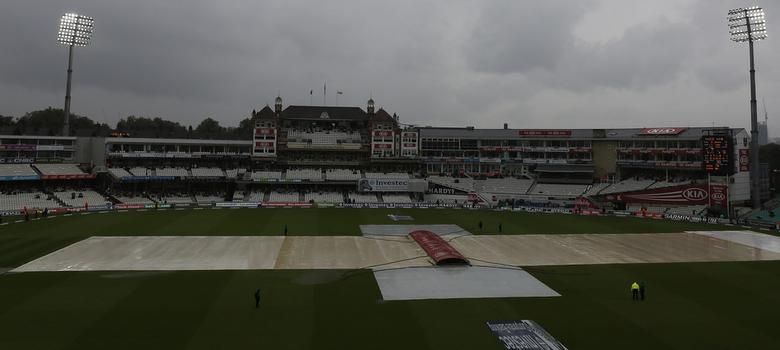
1. Rain and Match Interruptions
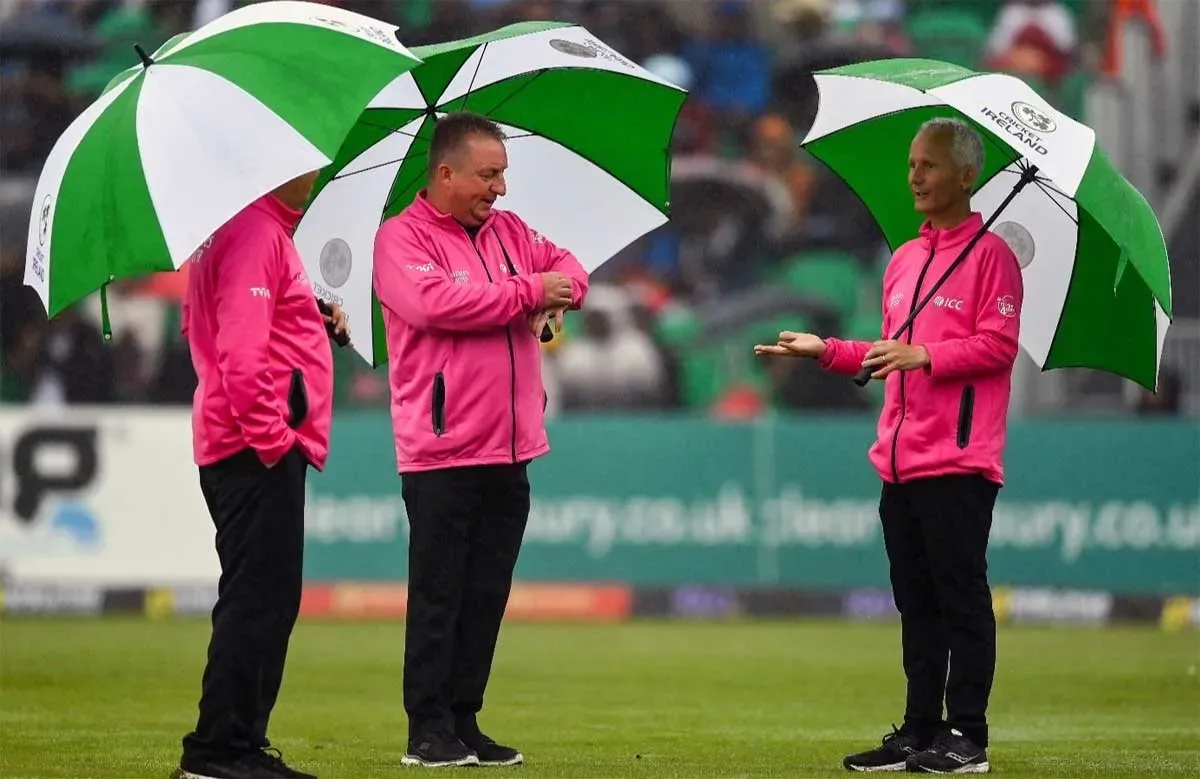
Rain is one of the biggest weather factors affecting cricket matches. In limited-overs formats like ODIs and T20s, rain interruptions can change the entire game.
Impact on betting odds:
- Matches may be shortened using the Duckworth–Lewis–Stern method, which adjusts target scores.
- Teams chasing sometimes gain an advantage after a rain interruption.
- Bookmakers may suspend or rapidly adjust odds if rain is expected.
- Some bettors place wagers on match abandonment or reduced overs.
Rain forecasts often cause pre-match odds to shift, especially if one team is stronger in shortened formats.
2. Pitch Conditions
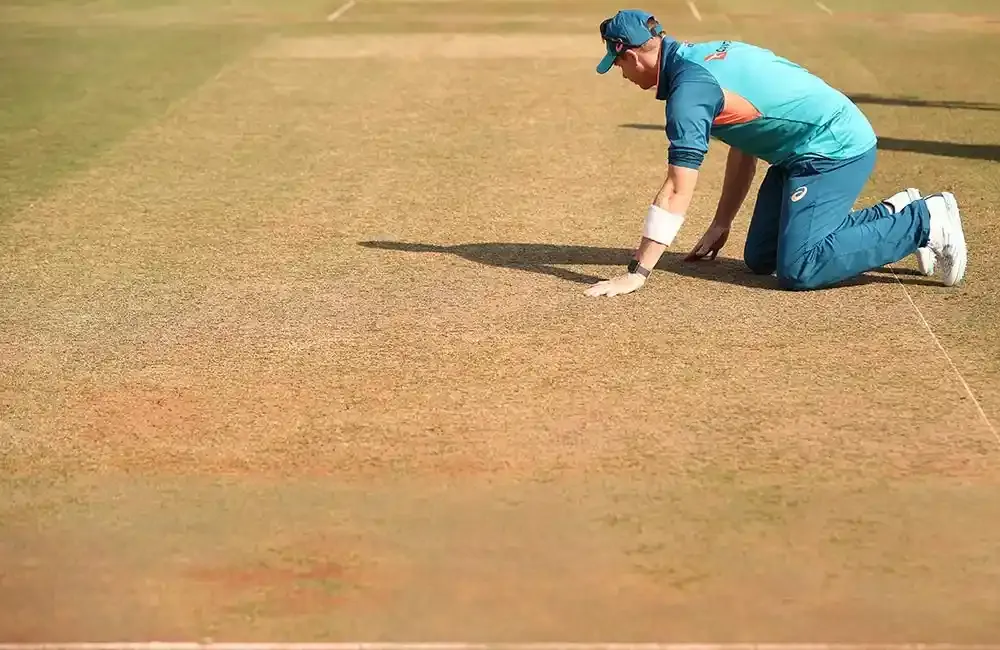
The pitch surface is one of the most important factors in cricket performance.
Common pitch types and their effects:
- Green pitch ? Helps fast bowlers and swing bowling.
- Dry, cracked pitch ? Favors spin bowlers later in the match.
- Flat pitch ? Ideal for batting and high scores.
Bookmakers analyze pitch reports before setting odds. For example:
- A team with strong spin bowlers may become favorites on a dry turning pitch.
- Teams with powerful batting lineups may have shorter odds on flat batting tracks.
3. Humidity and Swing Bowling
Humidity and cloud cover often help swing bowlers.
Why this matters:
- Moist air can increase ball movement in the air.
- Overcast conditions help fast bowlers generate swing.
- Teams with strong pace attacks benefit.
For example, conditions in places like Lord's Cricket Ground or Headingley Stadium often favor swing bowling, which can influence betting odds.
4. Wind Direction and Stadium Conditions
Wind can affect several aspects of a cricket match.
Effects include:
- The ball traveling further for sixes when wind supports batting.
- Fielders struggling with high catches.
- Bowlers adjusting their line and length.
In stadiums with strong coastal winds, bookmakers may adjust run totals and over/under betting markets.
5. Dew Factor in Night Matches
Dew is a major factor in T20 and ODI night matches.
How dew changes the game:
- The ball becomes wet and slippery, making bowling difficult.
- Spinners lose grip and control.
- Batting becomes easier in the second innings.
Because of this, teams often prefer chasing when dew is expected. Betting odds may shift toward the team batting second after the toss.
